Fishing Thunder on the Gulf: Where Powerboats Meet Quiet Lines
Few coastal events blend speed, sound, and saltwater culture the way Thunder on the Gulf does. Known primarily for its high‑octane offshore powerboat races in Orange Beach and Gulf Shores, this festival also creates a unique window for anglers who understand how to fish around the energy, crowds, and changing water conditions. “Fishing Thunder on the Gulf” has become a phrase locals use to describe not just fishing during the event, but fishing with awareness of how the Gulf transforms when thousands of boats, spectators, and competitors arrive at once.
From the outside, it might seem like racing and fishing are opposites. One is loud, fast, and flashy, while the other is quiet, patient, and methodical. In reality, they overlap more than you might expect. The same waters that host racing teams are home to redfish, speckled trout, king mackerel, and snapper, and those fish still have to eat, no matter how busy the shoreline becomes.
In this guide, I’ll walk you through what fishing Thunder on the Gulf really means, how to time your trips, what species to target, and how to fish like someone who knows these waters well. Whether you’re a visiting angler or a local who fishes these weekends every year, there’s a rhythm to this event that can work in your favor if you pay attention.
What “Fishing Thunder on the Gulf” Really Means
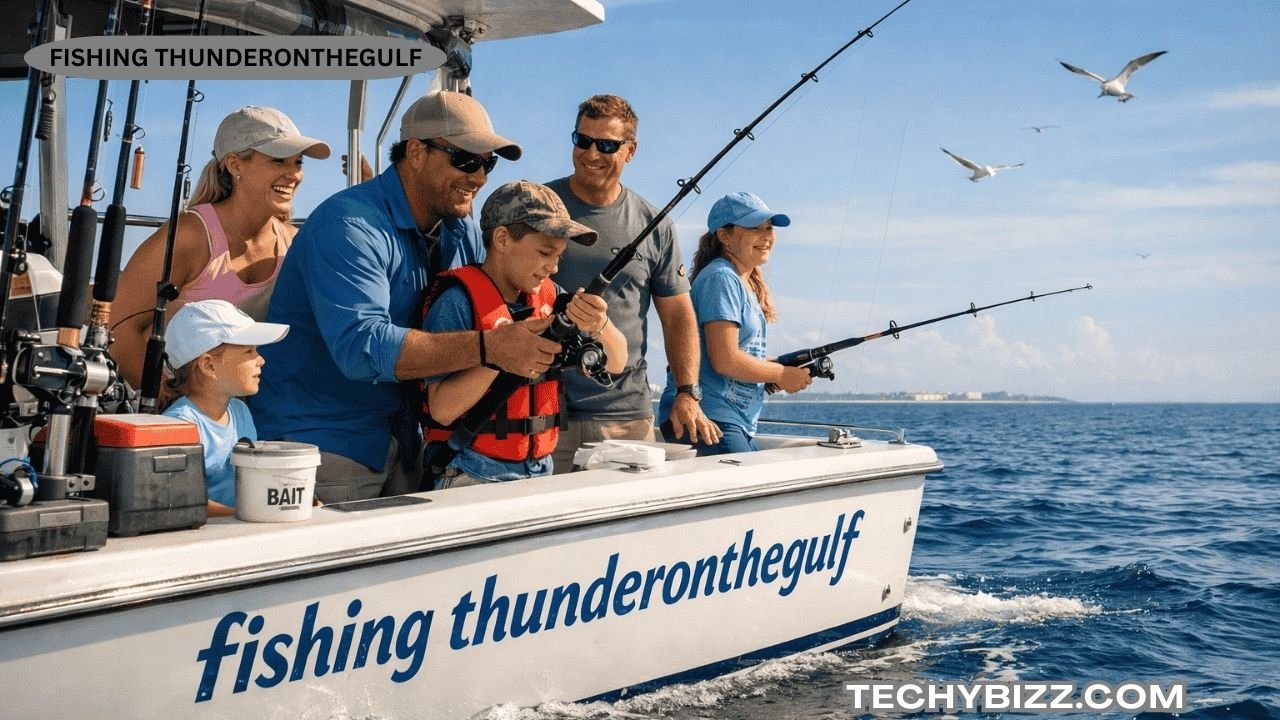
Fishing Thunder on the Gulf isn’t an official tournament or a branded competition. It’s a mindset more than anything else. When the races come to town, the entire coastline changes its personality for a few days. Boat traffic increases, marinas fill up before sunrise, and the water itself becomes more active from wakes, prop wash, and constant movement.
For experienced anglers, this shift is not a problem but an opportunity. Fish react to disturbance in predictable ways. Some species push deeper or tighter to structure, while others take advantage of stirred‑up bait and become more aggressive feeders. Understanding this behavior is the first step toward fishing well during one of the busiest weekends on the Gulf.
Locals often say that Thunder on the Gulf separates casual fishermen from observant ones. Anyone can throw a line in the water, but anglers who succeed during race weekend are the ones who adapt. They choose quieter pockets, fish odd hours, and adjust their presentations to match the changed conditions. That adaptability is what defines fishing Thunder on the Gulf.
Timing Your Trip Around Thunder on the Gulf
Timing is everything when you’re fishing during a major coastal event. The races usually bring peak activity in the late morning through mid‑afternoon, when spectators line the beaches and support boats flood the nearshore waters. Smart anglers plan their trips either early in the morning or later in the evening, when the water calms down and fish resume more natural feeding patterns.
Early mornings are especially productive. Before the race engines fire up, the Gulf often looks like it does on any quiet weekend. Bait moves close to shore, birds work the surface, and inshore species cruise the flats and passes. Launching at first light gives you a solid three to four hours of quality fishing before the noise and traffic pick up.
Afternoons can still be productive if you move away from the race zone. The Gulf Coast offers countless back bays, bayous, and protected shorelines that remain relatively undisturbed. During Thunder on the Gulf, these quieter areas become prime territory for redfish, flounder, and black drum, especially when the tide is moving. Planning around both the event schedule and the tide chart gives you a serious advantage.
Best Species and Techniques During the Event
One of the surprises of fishing Thunder on the Gulf is how resilient the fish can be. Pelagic species like king mackerel and Spanish mackerel often continue feeding offshore, even with racing activity nearby. Trolling spoons or slow‑pitch jigging just outside the main race lanes can produce excellent action if you keep a respectful distance from the course.
Inshore, speckled trout and redfish tend to slide toward deeper channels, bridge pilings, and oyster edges when boat traffic increases. This is where soft plastics on jig heads and live shrimp under popping corks really shine. The extra vibration from passing boats can actually trigger strikes, especially when bait is pushed off shallow flats into nearby drop‑offs.
Bottom fishing can be outstanding during race weekends as well. Snapper, grouper, and triggerfish are less affected by surface noise, particularly on deeper reefs and wrecks. Anchoring slightly away from high‑traffic zones and fishing cut bait or live pinfish often leads to steady bites while the chaos unfolds above. It’s a reminder that most of the real action happens well below the surface.
Gear, Boats, and Local Knowledge
Fishing Thunder on the Gulf demands a little extra preparation. First and foremost, safety matters. With heavy boat traffic, having a reliable VHF radio, clear navigation lights, and good situational awareness is non‑negotiable. Many local captains avoid the busiest channels entirely and use secondary passes and back routes to reach their spots.
Tackle choices should match both the species and the conditions. Medium‑heavy spinning and conventional setups handle well in choppy water and strong currents created by boat wakes. Braided line with fluorocarbon leaders gives you sensitivity without sacrificing abrasion resistance when fishing around structure or debris stirred up by traffic.
Local knowledge is perhaps the biggest advantage of all. Anglers who fish this coast year‑round know which reefs stay productive when pressure increases and which inshore bends hold fish when the flats empty out. Talking to bait shop owners, marina staff, and charter captains before race weekend often reveals small tips that make a big difference, like which tides avoid the worst crowds or which back bays stay surprisingly quiet.
The Culture: Crowds, Community, and Conservation
Part of what makes fishing Thunder on the Gulf special is the atmosphere. You’re not just fishing; you’re sharing the water with race teams, families, photographers, and longtime locals who treat the event like a holiday. It creates a sense of community that’s rare in modern fishing, where many anglers prefer solitude.
At the same time, heavy use puts pressure on the ecosystem. Responsible anglers make a point to practice clean boating, proper fish handling, and strict adherence to size and bag limits during these busy weekends. With so many eyes on the water, good behavior matters more than ever. It sets the tone for how visitors see Gulf Coast anglers as a whole.
Conservation groups often use Thunder on the Gulf as an opportunity to promote sustainable fishing and boating practices. Educational booths, marina cleanups, and outreach programs remind everyone that these waters support both recreation and livelihoods. Fishing during the event becomes more meaningful when you recognize your role in protecting the resource for future races and future generations of anglers.
Final Thoughts on Fishing Thunder on the Gulf
Fishing Thunder on the Gulf is not about avoiding the event; it’s about embracing it with awareness and skill. The combination of racing energy and natural rhythm creates conditions that challenge even seasoned anglers, but those challenges often lead to some of the most memorable catches of the year.
If there’s one lesson to take away, it’s this: adaptability wins. Adjust your timing, move with the fish, and respect the flow of traffic and people around you. When you do, you’ll find that the Gulf still offers plenty of quiet moments between the engines and applause.
In the end, fishing Thunder on the Gulf is a reminder of why we love coastal life in the first place. It’s loud and peaceful, crowded and personal, fast and patient all at once. And if you play it right, you might just come home with a cooler full of fish and a story that only race weekend on the Gulf can provide.